Residential architecture focuses on creating comfortable and personalized living spaces. The design is centered around the needs and preferences of homeowners. Factors like privacy, aesthetics, and functionality play a major role. Materials are chosen based on comfort and style rather than heavy-duty usage.
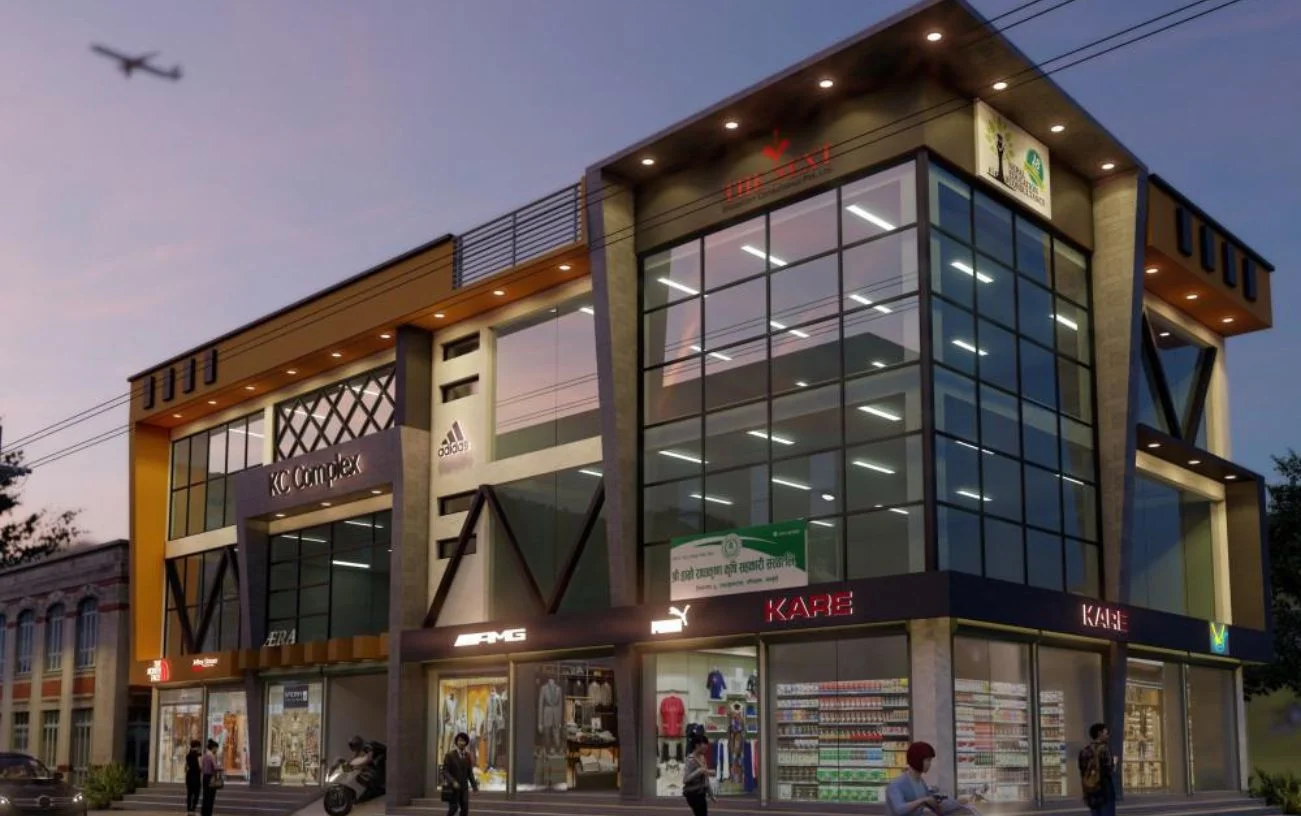
On the other hand, commercial architecture is designed for business operations. These buildings must accommodate large numbers of people and meet strict safety and regulatory standards. Functionality, durability, and efficiency are the primary considerations.
Another key difference is scale and complexity. Commercial projects are usually larger and more complex, requiring advanced planning and coordination. They often include features like elevators, parking systems, and HVAC systems.
At CubesInfra, we specialize in both residential and commercial architecture. Our team ensures that each project is designed according to its purpose while maintaining high standards of quality and innovation.